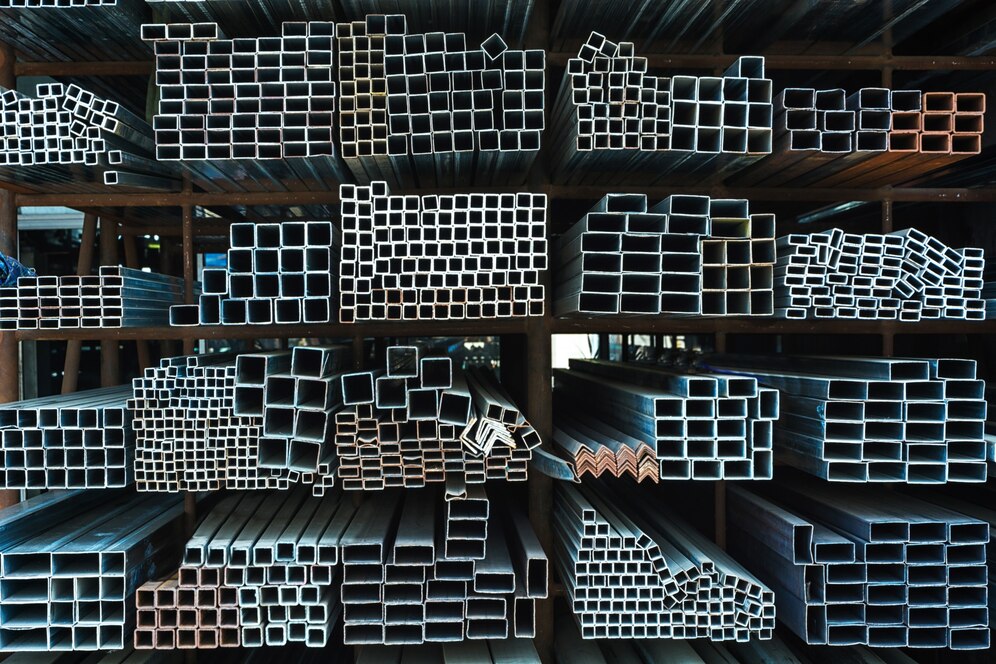
Aluminum Extrusion Services.
Xofah provides custom aluminum extrusion services for complex profiles, heat sinks, and structural components with precision and efficiency.
Custom Aluminum Profiles
Design and manufacture custom aluminum extrusion profiles for any application.
Heat Sink Extrusions
Specialized heat sink extrusions for thermal management in electronics and LED applications.
Structural Extrusions
High-strength structural aluminum extrusions for frames, enclosures, and assemblies.
Finishing Services
Comprehensive finishing options including anodizing, powder coating, and machining.
Custom Aluminum Extrusion Services
Aluminum extrusion is a manufacturing process that pushes heated aluminum billets through a shaped die to create parts with a consistent cross-sectional profile. This process is ideal for producing long, continuous parts with complex cross-sections that would be difficult or expensive to manufacture using other methods.
Xofah's aluminum extrusion services provide access to a global network of extrusion manufacturers capable of producing custom profiles from prototype quantities to high-volume production runs. We support both standard and custom extrusion dies, with comprehensive secondary operations including cutting, machining, and finishing.
Our expert team manages every aspect of the extrusion process, from die design and optimization through final finishing and delivery, ensuring your parts meet exact specifications.
Fast Turnaround
Quick die manufacturing and production lead times
Precision
Tight tolerances and consistent cross-sections
Quality Certified
ISO 9001 certified extrusion facilities
Global Network
Access to extrusion manufacturers worldwide
Operational Logic
+/- 0.010" (0.25mm)
+/- 0.005" (0.127mm)
Up to 10" (250mm)
0.040" to 0.500"
Material
Matrix.
6000 Series (Most Common)
High-Strength Alloys
Aluminum Extrusion Process
The aluminum extrusion process transforms aluminum billets into complex profiles through a series of carefully controlled steps.
Die Design and Manufacturing
Custom extrusion dies are designed and manufactured to create your specific profile shape. Die design is critical for achieving the desired dimensions, tolerances, and surface finish.
Billet Preparation
Aluminum billets are heated to the optimal temperature for extrusion, typically 800-925°F (427-496°C) depending on the alloy.
Extrusion
The heated billet is pushed through the die using a hydraulic press, creating a continuous profile with the desired cross-section.
Heat Treatment
Extruded profiles undergo heat treatment to achieve the desired mechanical properties and temper designation.
Finishing and Fabrication
Secondary operations transform raw extrusions into finished parts ready for assembly.
Aluminum Extrusion Alloys
Xofah supports a range of aluminum alloys for extrusion, each with specific properties suited to different applications.
6000 Series Alloys (Most Common)
Other Extrusion Alloys
| Alloy | Temper | Strength | Extrudability | Corrosion Resistance | Typical Uses |
|---|---|---|---|---|---|
| 6063 | T5/T6 | Medium | Excellent | Good | Architectural, heat sinks, general purpose |
| 6061 | T6 | High | Good | Excellent | Structural, marine, automotive |
| 6005 | T5 | High | Good | Good | Automotive, structural |
| 7075 | T6 | Very High | Fair | Fair | Aerospace, high-stress applications |
Custom Heat Sink Extrusions
Aluminum extrusion is the ideal process for manufacturing custom heat sinks with optimized thermal performance.
Heat Sink Applications
Optimized Fin Design
Custom fin spacing, height, and thickness for maximum heat dissipation
High Thermal Conductivity
6063 alloy provides excellent thermal conductivity for heat transfer
Complex Geometries
Create intricate fin patterns and internal channels for enhanced cooling
Anodizing for Performance
Black anodizing increases emissivity for improved radiation cooling
CNC Machining
Add mounting holes, channels, and custom features
Thermal Testing
Validate thermal performance with testing and simulation
Design Guidelines for Aluminum Extrusion
Following these design guidelines will help optimize your extrusion profile for manufacturability and cost.
Uniform Wall Thickness
Maintain consistent wall thickness throughout the profile for even cooling and minimal distortion
Avoid Sharp Corners
Use radii on all corners to improve material flow and reduce die wear
Consider Die Cost
Simple profiles with fewer cavities reduce die cost and lead time
Symmetry Helps
Symmetric profiles are easier to extrude and less prone to twisting
Hollow Sections
Use hollow sections to reduce weight while maintaining strength
T-Slot Compatibility
Design profiles compatible with standard T-slot hardware for easy assembly
| Feature | Recommendation |
|---|---|
| Minimum Wall Thickness | 0.040" (1mm) typical, 0.020" (0.5mm) possible for simple shapes |
| Maximum Wall Thickness | 0.500" (12.7mm) typical, thicker possible with special considerations |
| Minimum Hole Diameter | 0.125" (3mm) for through holes |
| Corner Radii | 0.020" (0.5mm) minimum inside radius, 0.040" (1mm) preferred |
| Tolerances | ±0.010" (0.25mm) typical, ±0.005" (0.13mm) possible with tight control |
| Maximum Circle Size | 10" (254mm) diameter for solid profiles |
| Hollow Profiles | Wall thickness ratio should not exceed 10:1 |
| Asymmetric Profiles | May require special handling and slower extrusion speeds |
Finishing Options for Aluminum Extrusions
Xofah offers comprehensive finishing services to enhance appearance, corrosion resistance, and functionality.
Anodizing
Electrochemical process that creates a durable, corrosion-resistant oxide layer on the aluminum surface.
Powder Coating
Durable, attractive finish available in virtually any color with excellent weather resistance.
Mechanical Finishing
Surface preparation and finishing for specific appearance or functional requirements.
Secondary Operations
Transform raw extrusions into finished parts with comprehensive fabrication services.
Precision Cutting
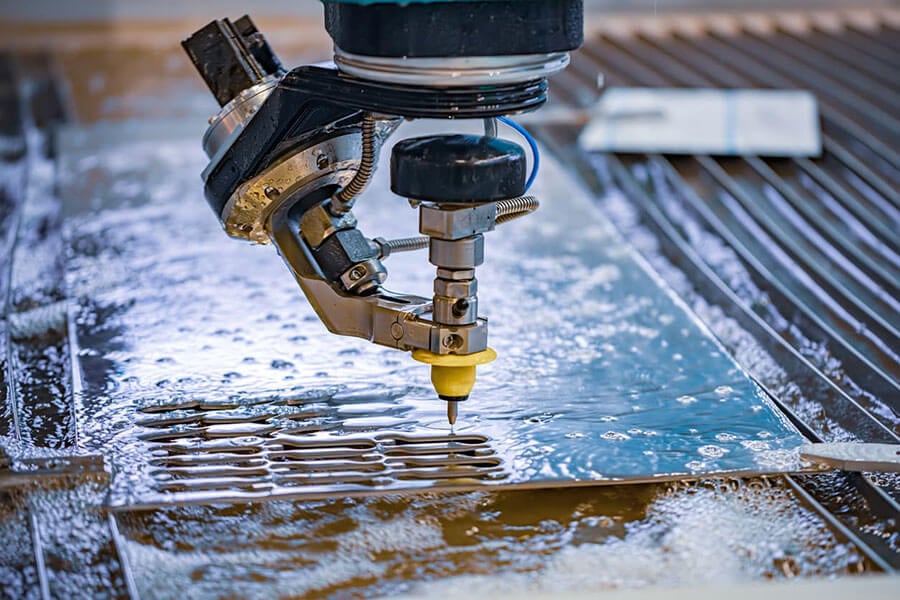
Cut to length with saw cutting, laser cutting, or waterjet cutting
CNC Machining
Drill holes, mill slots, tap threads, and add custom features
Bending and Forming
Bend extrusions to create curved or angled sections
Welding
TIG welding for joining extrusions into assemblies
Assembly
Complete assembly with hardware, inserts, and components
Punching and Notching
Add holes, slots, and notches for specific applications
Applications and Industries
Aluminum extrusions are used across numerous industries for their versatility, strength, and lightweight properties.
Heat Sinks
Thermal management for electronics, LEDs, and power systems
Structural Frames
T-slot framing systems for machines, workstations, and enclosures
Enclosures
Electronic enclosures, control panels, and protective housings
Architectural Profiles
Window frames, door frames, curtain walls, and trim
Linear Motion
Rails, guides, and tracks for automation systems
Custom Profiles
Application-specific profiles for unique requirements
Advantages of Aluminum Extrusion
Complex Cross-Sections
Create intricate profiles that would be impossible or expensive to machine
Cost-Effective
Lower per-part cost for long parts compared to machining or fabrication
Lightweight and Strong
Aluminum provides excellent strength-to-weight ratio
Consistent Quality
Uniform cross-section along entire length with tight tolerances
Corrosion Resistant
Natural oxide layer provides corrosion protection, enhanced with anodizing
Recyclable
Aluminum is 100% recyclable with no loss of properties
Vetted Standards.
Ready to Start Your Aluminum Extrusion Project?
Get expert consultation and competitive pricing for custom aluminum extrusions.